
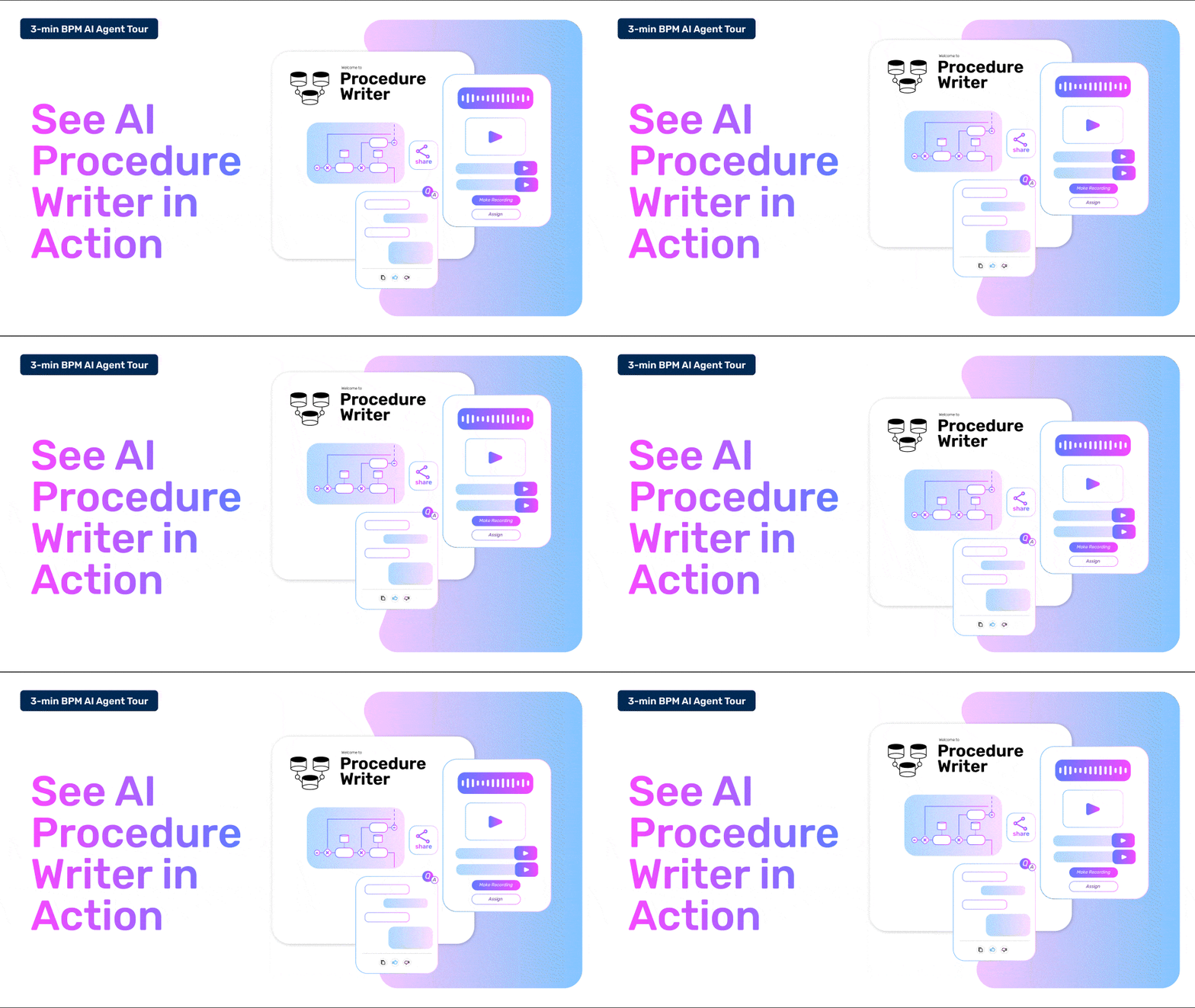
Create Standardised SOPs in Minutes with AI Procedure Writer
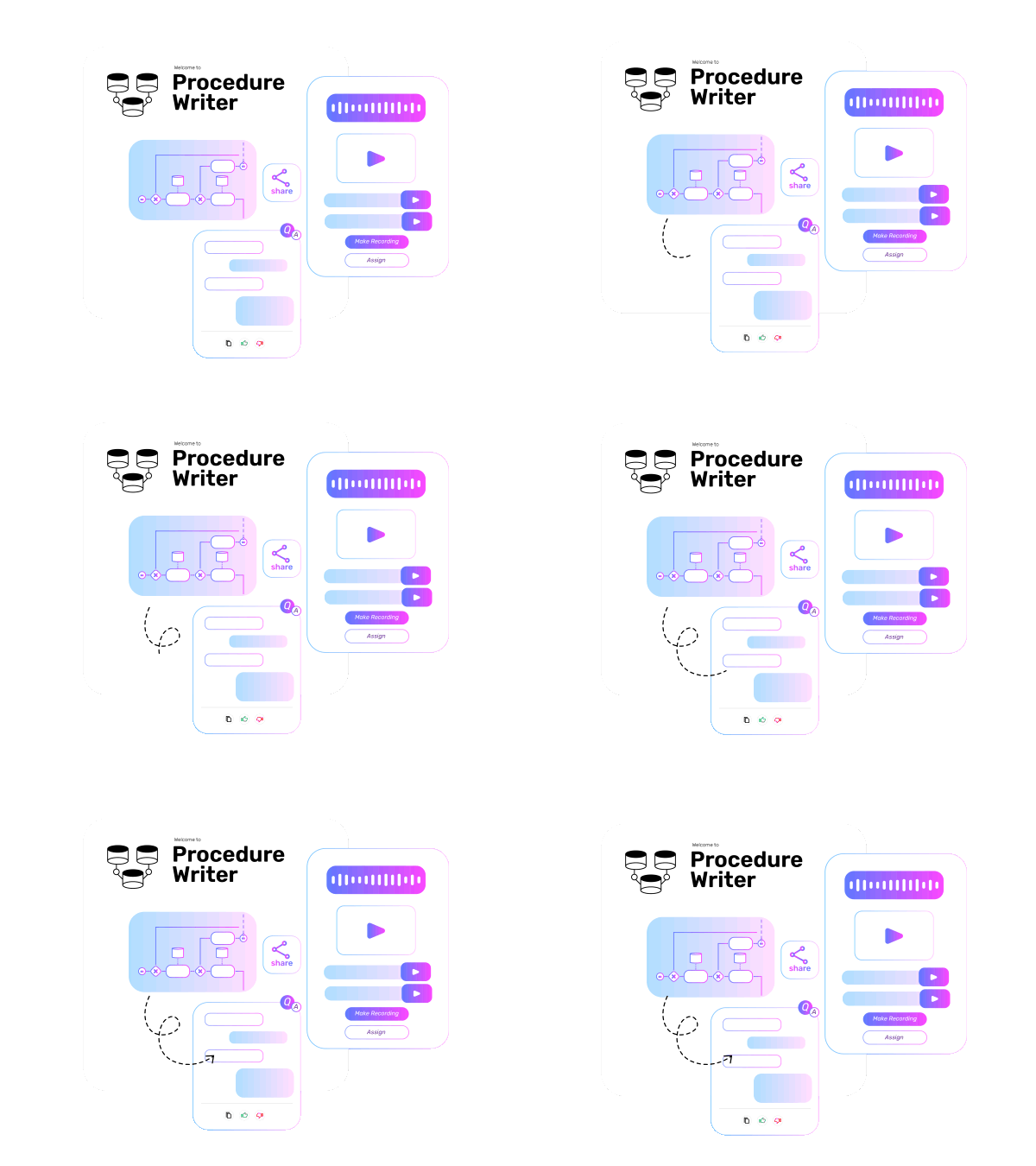
Creating detailed, standardised SOPs no longer needs hours of manual effort or formatting. With PRIME BPM’s AI Procedure Writer, you can create ready-to-use procedures in minutes from conversation/screen recording while ensuring accuracy, compliance and standardisation.
Quickly create procedures for manual tasks and equip your automation teams with precise, step-by-step requirements to identify high-impact automation opportunities.
What AI Procedure Writer does for you
-
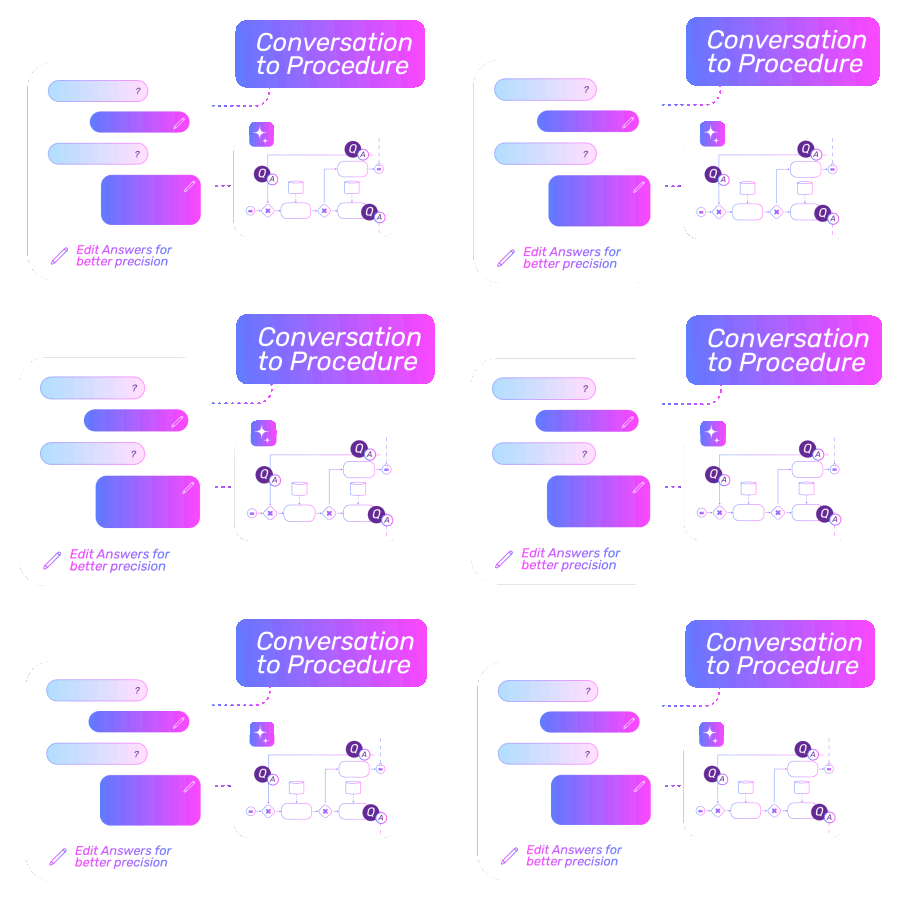
Conversation to Procedure
Simply describe how a process works in plain language, AI Procedure Writer automatically converts your conversation into a fully formatted, step-by-step procedure ready for review and use in training or automation projects.
-
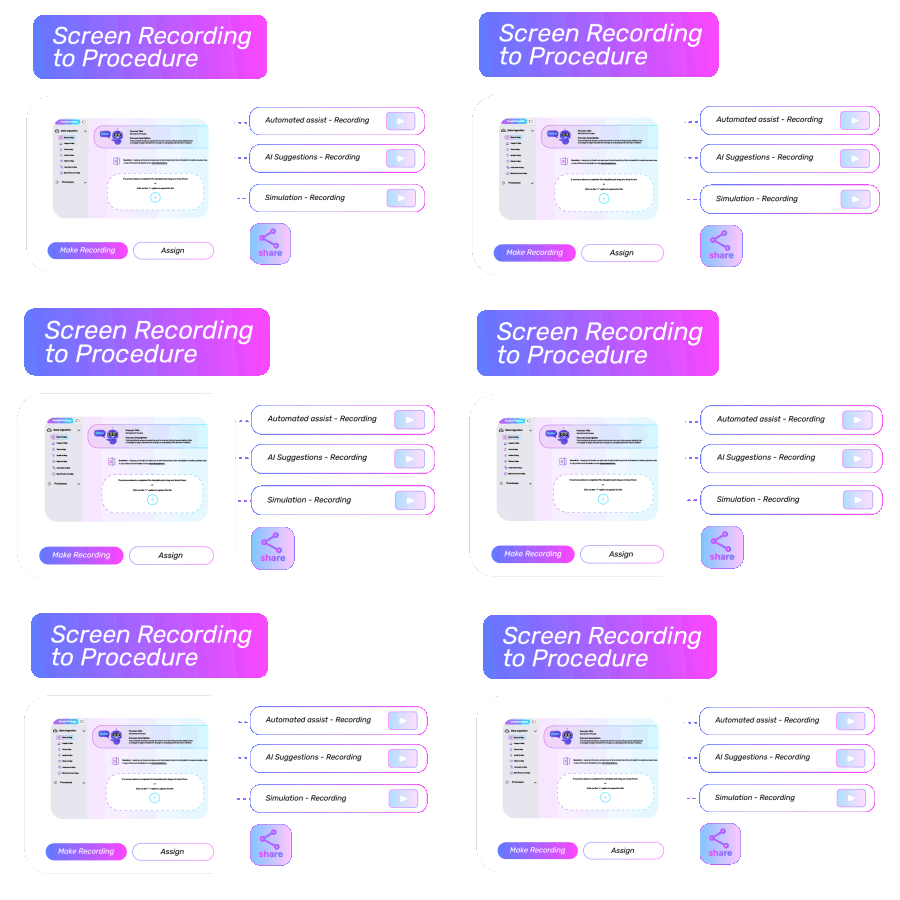
Screen Recording to Procedure
Record your screen while performing a task, AI Procedure Writer automatically detects actions and converts the entire recording into a step-by-step, illustrated SOP.
Before vs After AI Procedure Writer
3x Faster
| Traditional Procedure Documentation |
|---|
|
| With AI Procedure Writer |
|---|
|
Benefits by Role
 Executives
- Ensure standardised, compliant procedures across all teams.
- Accelerate audit readiness and reduce compliance risks with up-to-date procedures.
- Improve operational consistency by ensuring every team follows clear, approved procedures.
BPM Teams
- Generate complete procedures directly from conversations screen recordings—no manual documentation.
- Validate, update, and refine task documentation effortlessly against industry-specific best practices.
- Free up time to focus on process improvement and automation opportunities, not documentation work.
- Assign front line staff to record the procedure
Frontline Users
- Improve efficiency with clear, step-by-step procedures that reduce errors and rework.
- Ensure consistent service delivery by following accurate, standardised, and up-to-date procedures.
- Gain clear, structured guidance on what to do and how to do it, reducing errors and confusion.
Explore More PRIME BPM AI Agents



FAQs
The AI Procedure Writer is an AI-enabled capability that automatically generates clear, consistent, and standardised procedures from multiple input types - documents, videos, audio, or conversations.
Traditional manual procedure writing takes approximately 30 minutes per procedure. With the AI Procedure Writer, this is reduced to around 5 minutes per procedure, as the content is automatically generated and only requires light review and validation.
No.
The AI Procedure Writer augments their work by eliminating repetitive documentation tasks.
The AI Procedure Writer delivers the highest ROI for organisations with large volumes of processes, operating in regulated or audit-heavy environments, requiring consistent documentation across teams or regions, or preparing for compliance, transformation, or system changes.
AI Procedure Writer improves documentation consistency, closes gaps between processes and procedures, accelerates audit preparation, and supports regulatory requirements with standardised, traceable content, significantly lowering compliance risk.
Value is typically realised immediately, from the first batch of procedures generated and during system implementations, operating model changes, or compliance initiatives, with most teams seeing measurable time savings within weeks.
The AI Procedure Writer can create new procedures, refresh outdated documentation, and rapidly update procedures when processes change, making it ideal for continuous improvement and transformation programs.
Minimal effort is required teams primarily review generated procedures, validate accuracy, and approve for publishing, with no heavy rework or manual drafting needed.
Unlike static templates, the AI Procedure Writer automatically generates content, aligns it with process models, reduces rework when processes change, and delivers consistent quality at scale, whereas templates rely entirely on manual effort.