

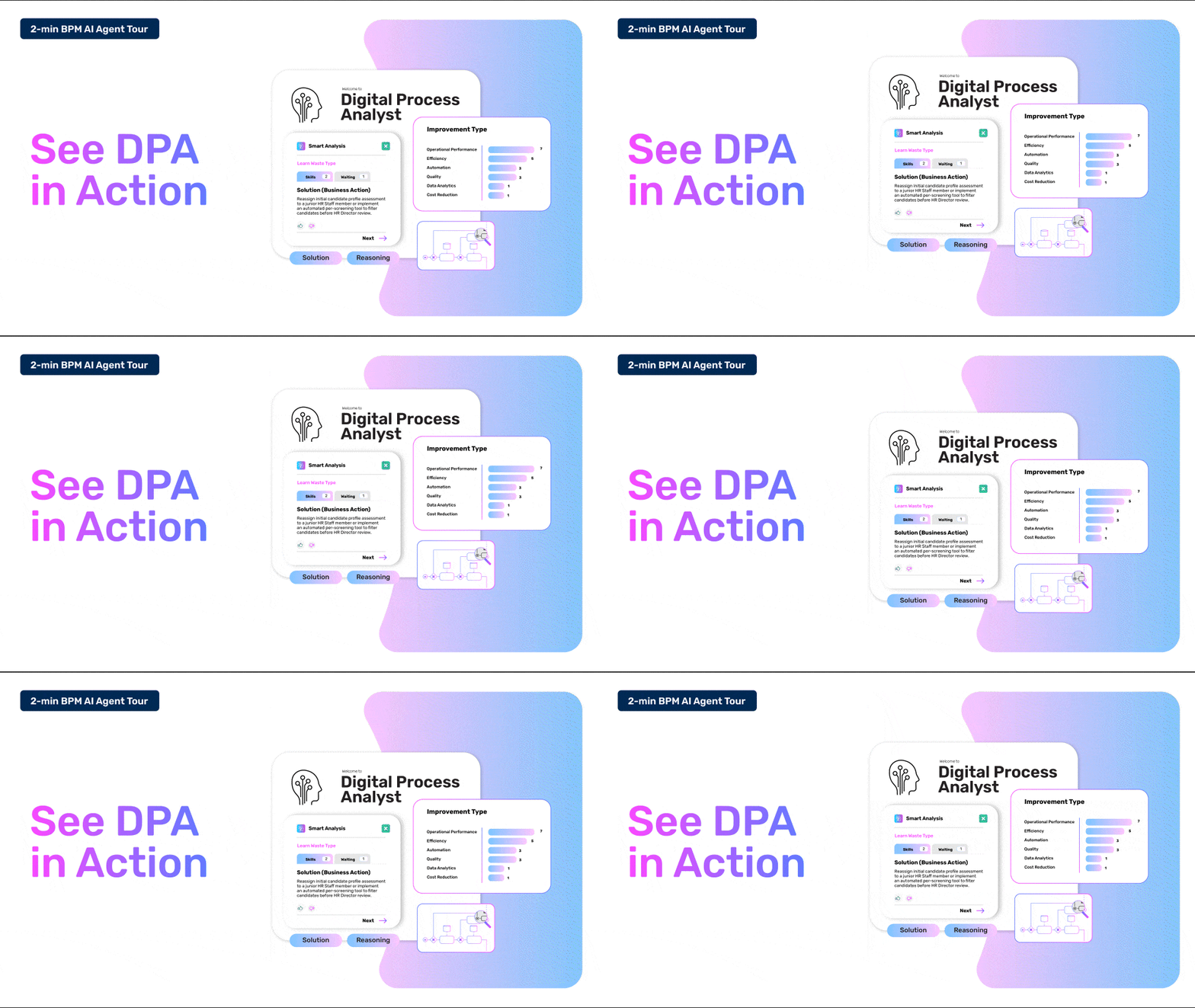
Elevate Process Improvement with Automated Insights
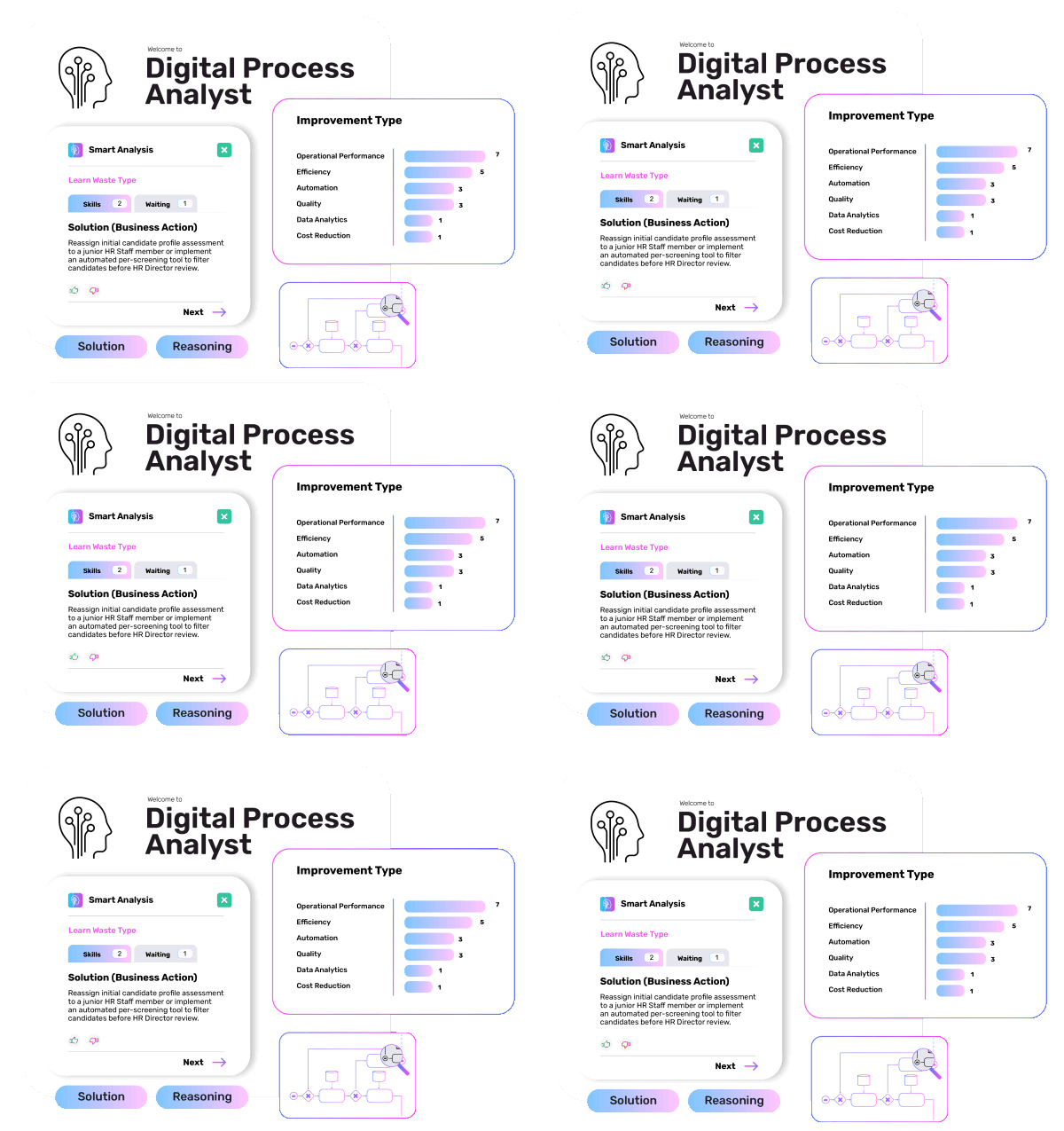
Power your process improvement projects with actionable, AI-powered insights delivered by PRIME BPM’s Digital Process Analyst (DPA).
No more spending time on manual analysis. DPA delivers automated insights into your processes, like:
- Where are the delays and inefficiencies?
- Are there excessive approvals?
- Are there standardisation and automation opportunities?
Backed by 37 guardrails and data points, and benchmarked against industry best practices, DPA provides clear, data-driven recommendations to carry out process improvement. Instantly simulate the impact of each recommendation to identify the most effective opportunities and maximise the ROI.
What DPA does for you
-
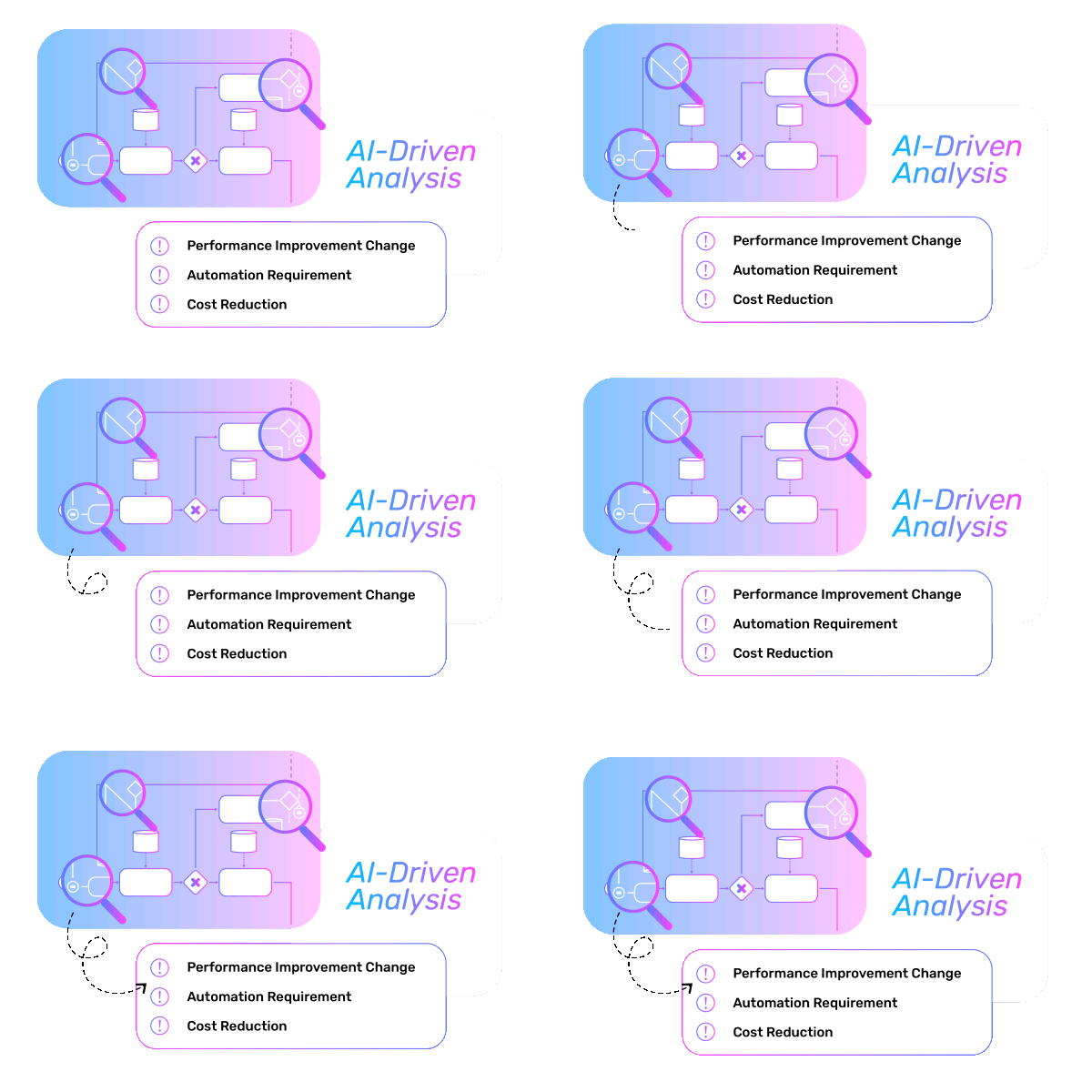
AI-Driven Analysis
Instantly scans your process maps using AI to deliver automated insights into inefficiencies. DPA evaluates structure, flow, roles, handoffs, approvals, and exceptions—automating the heavy lifting of analysis and freeing analysts and BPM teams to focus on implementation, so improvement cycles move faster with less effort.
-
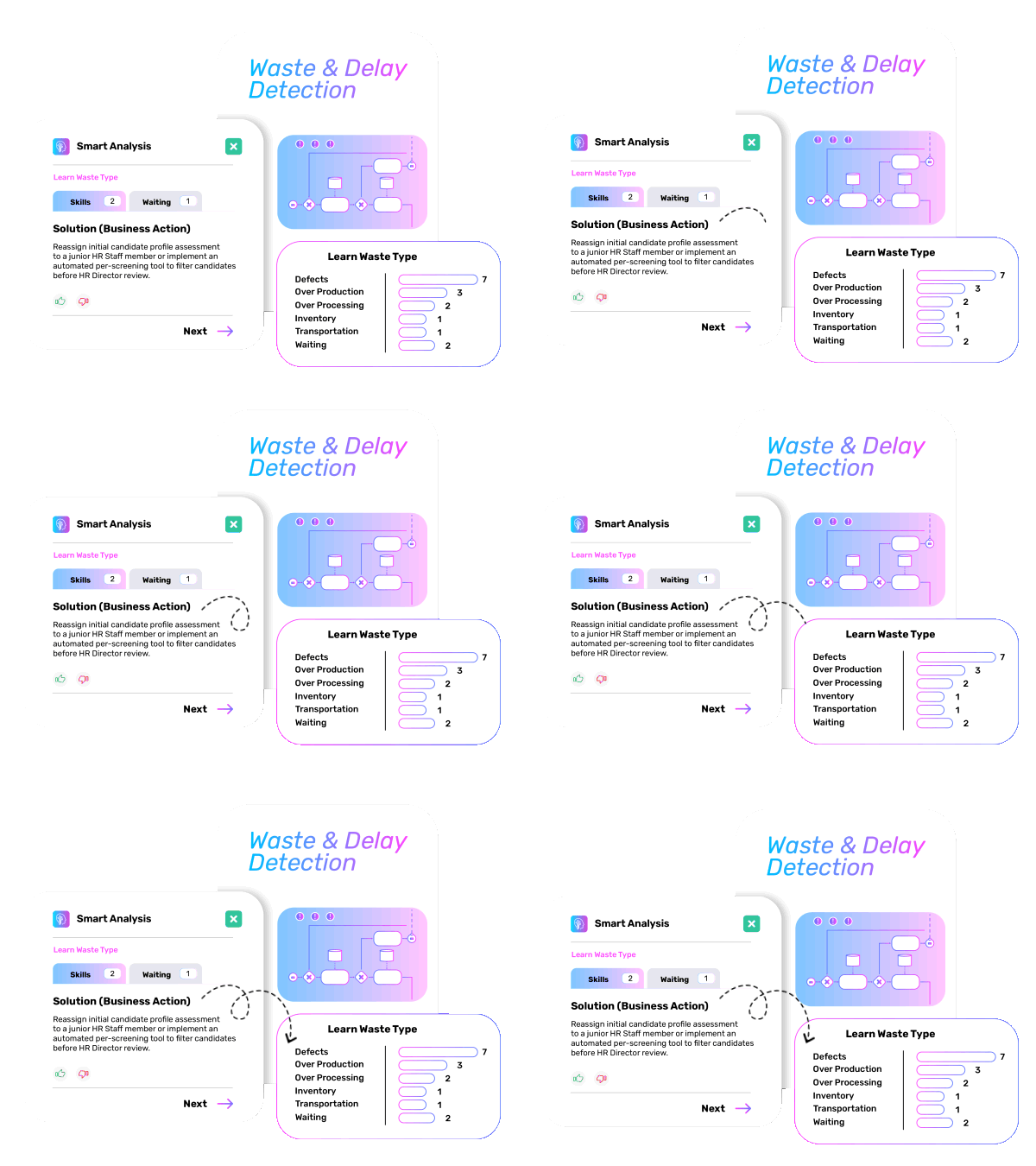
Waste & Delay Detection
Automatically pinpoints bottlenecks, redundant steps, rework loops, excessive approvals, and waiting times across your processes—so you know exactly where time, effort, and cost are being wasted.
-
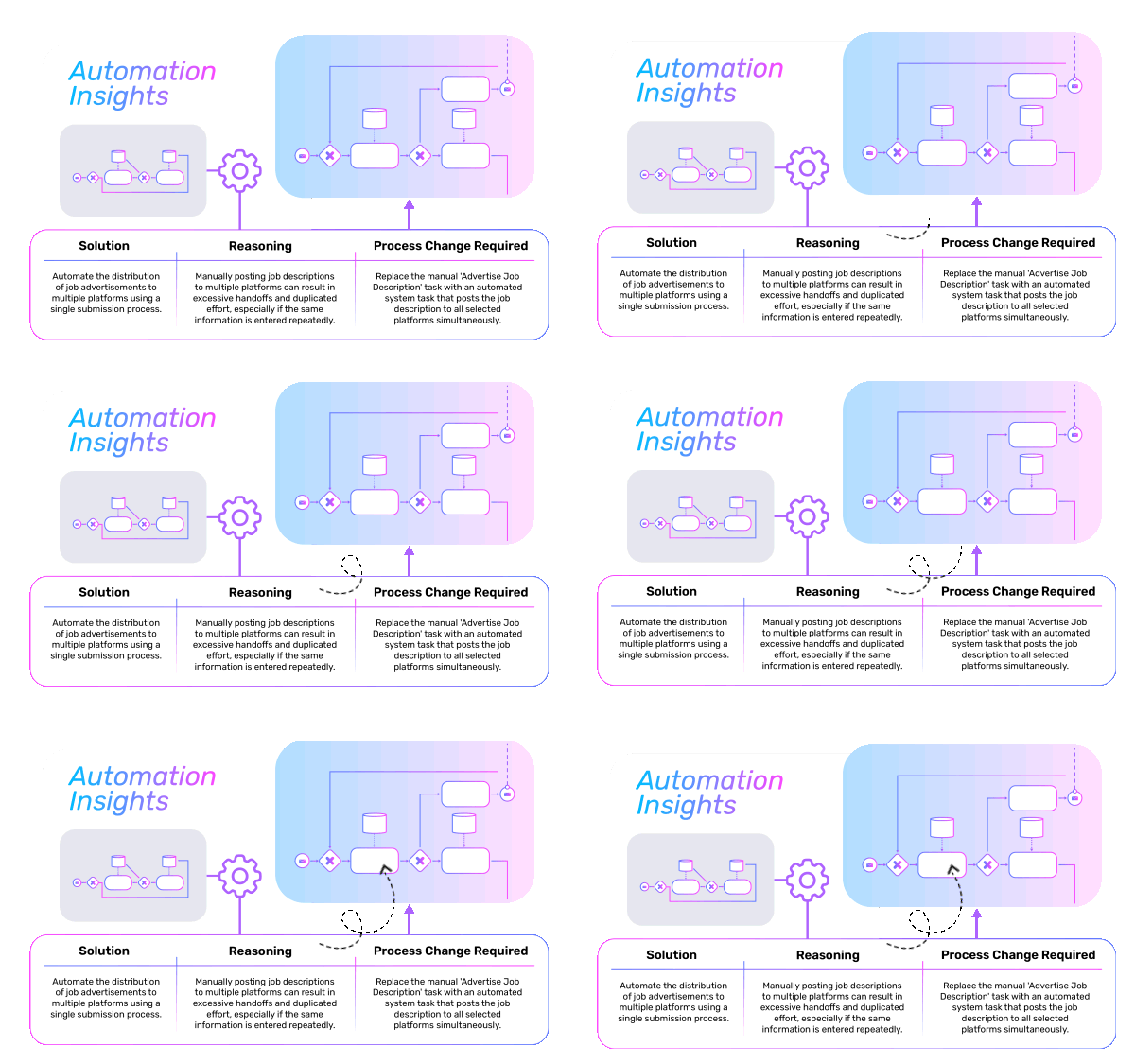
Automation Insights
Identifies high-impact automation opportunities by highlighting repetitive, manual, and rule-based activities. DPA helps prioritise what to automate first to maximise ROI and accelerate digital transformation initiatives.
-
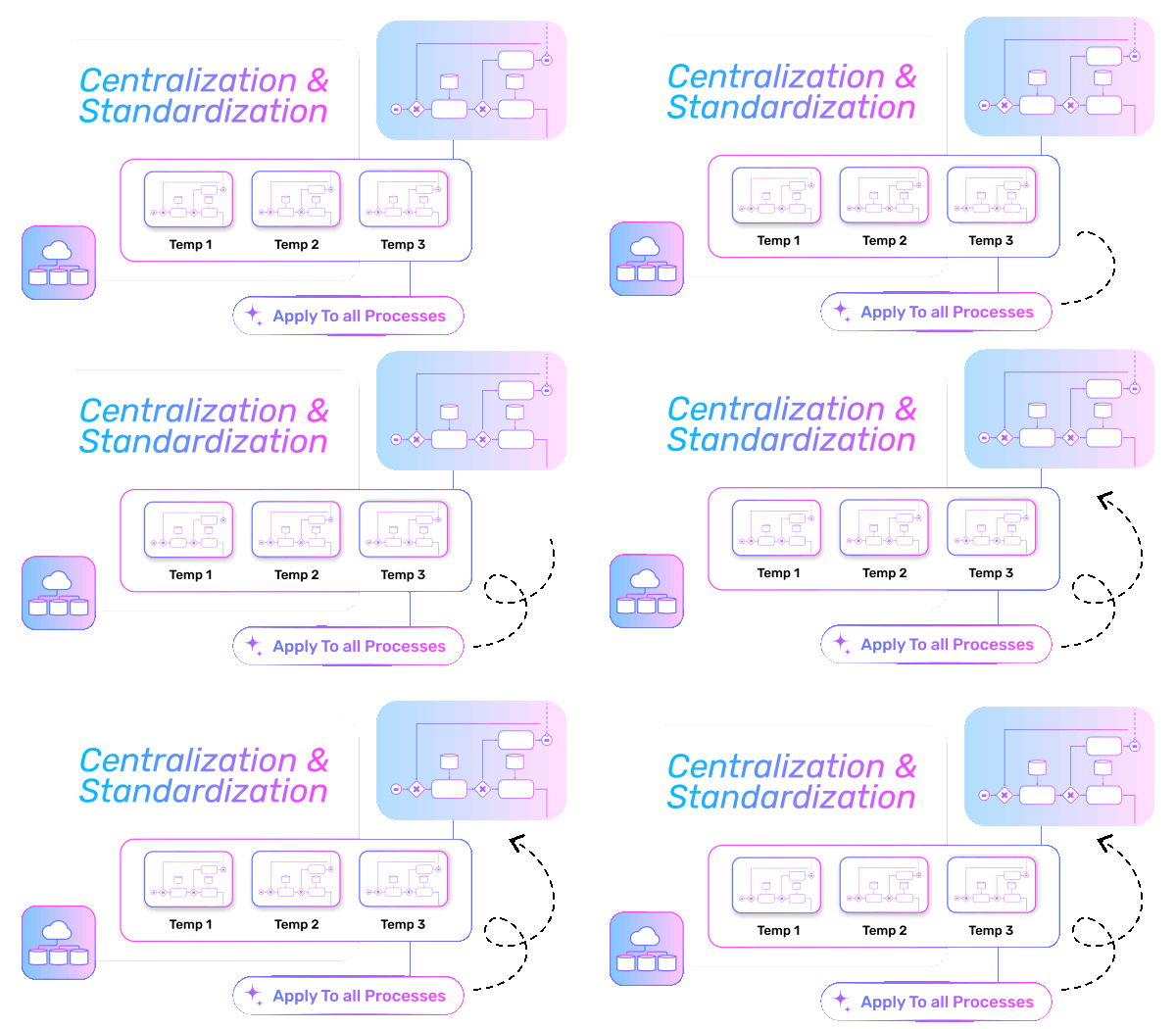
Centralisation & Standardisation
Recommends where processes can be standardised, consolidated, or centralised to reduce variation, improve consistency, and simplify operations. This proves critical for scaling and compliance-driven environments.
-
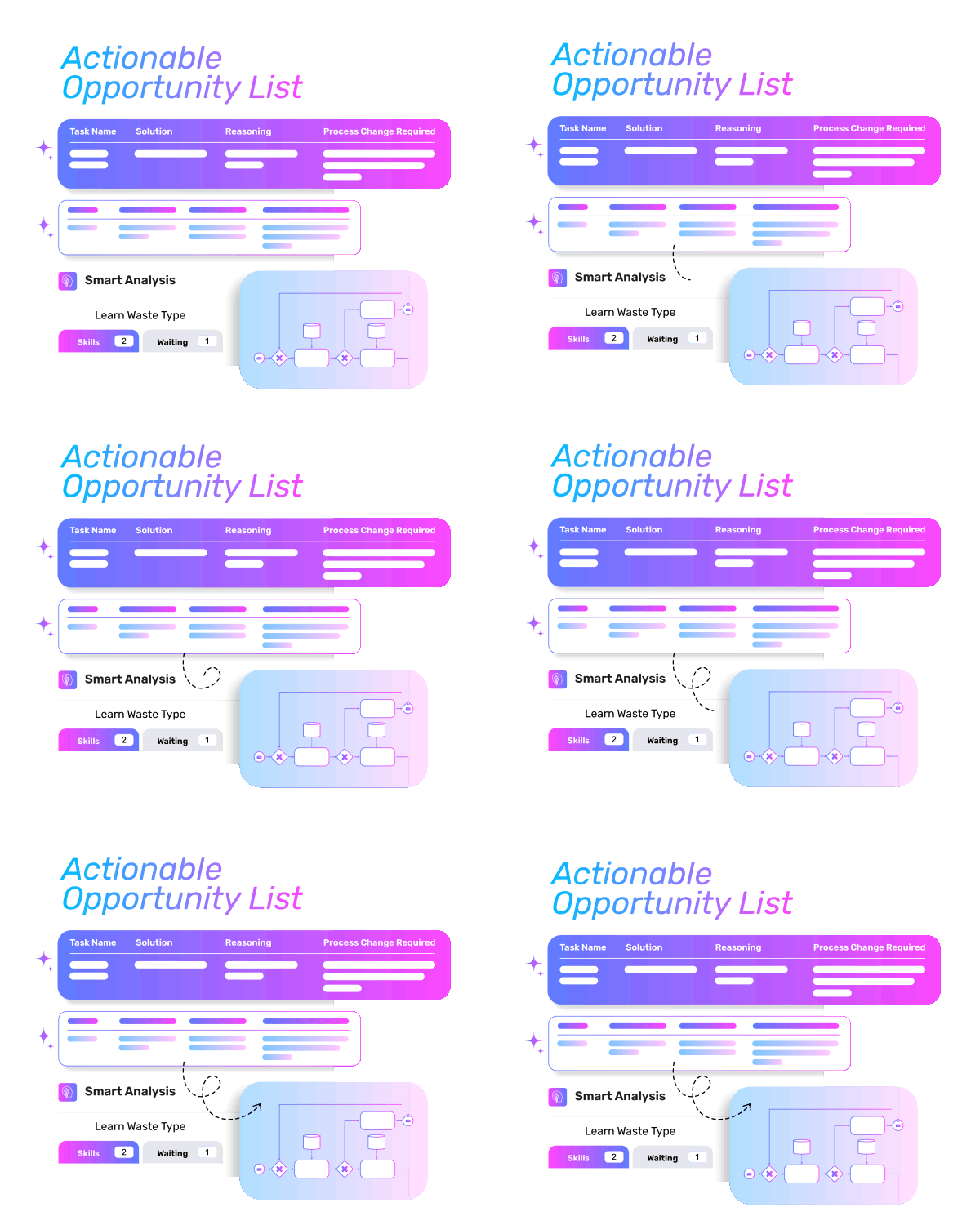
Actionable Opportunity List
Generates a clear, prioritised list of improvement opportunities based on impact and value. Teams get a focused roadmap instead of long analysis reports—making it easier to act with data-backed insights.
-
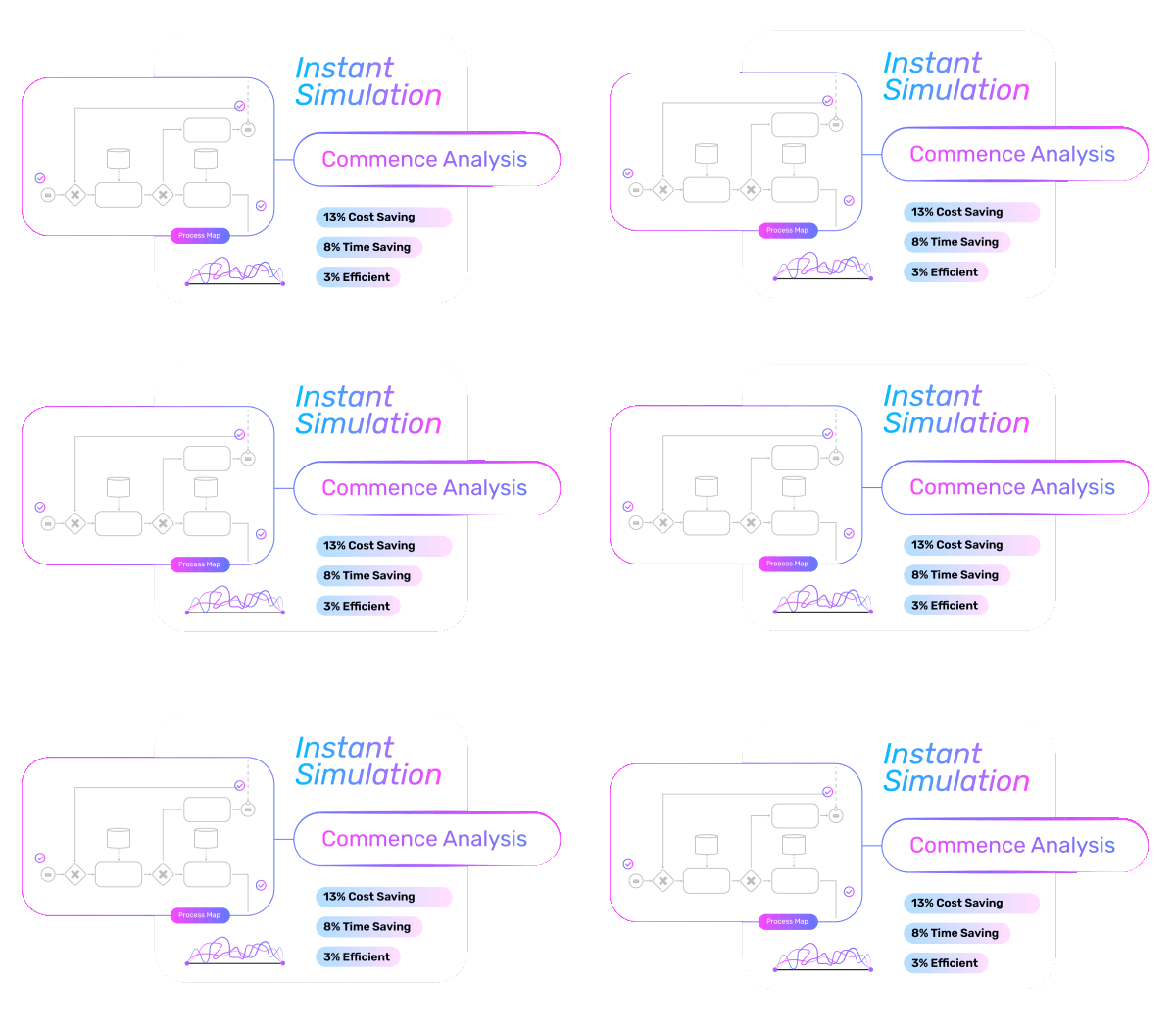
Instant Simulation
Simulates future-state scenarios instantly, allowing you to compare recommendations and see potential improvements in time, cost, and efficiency before implementing any changes.
-
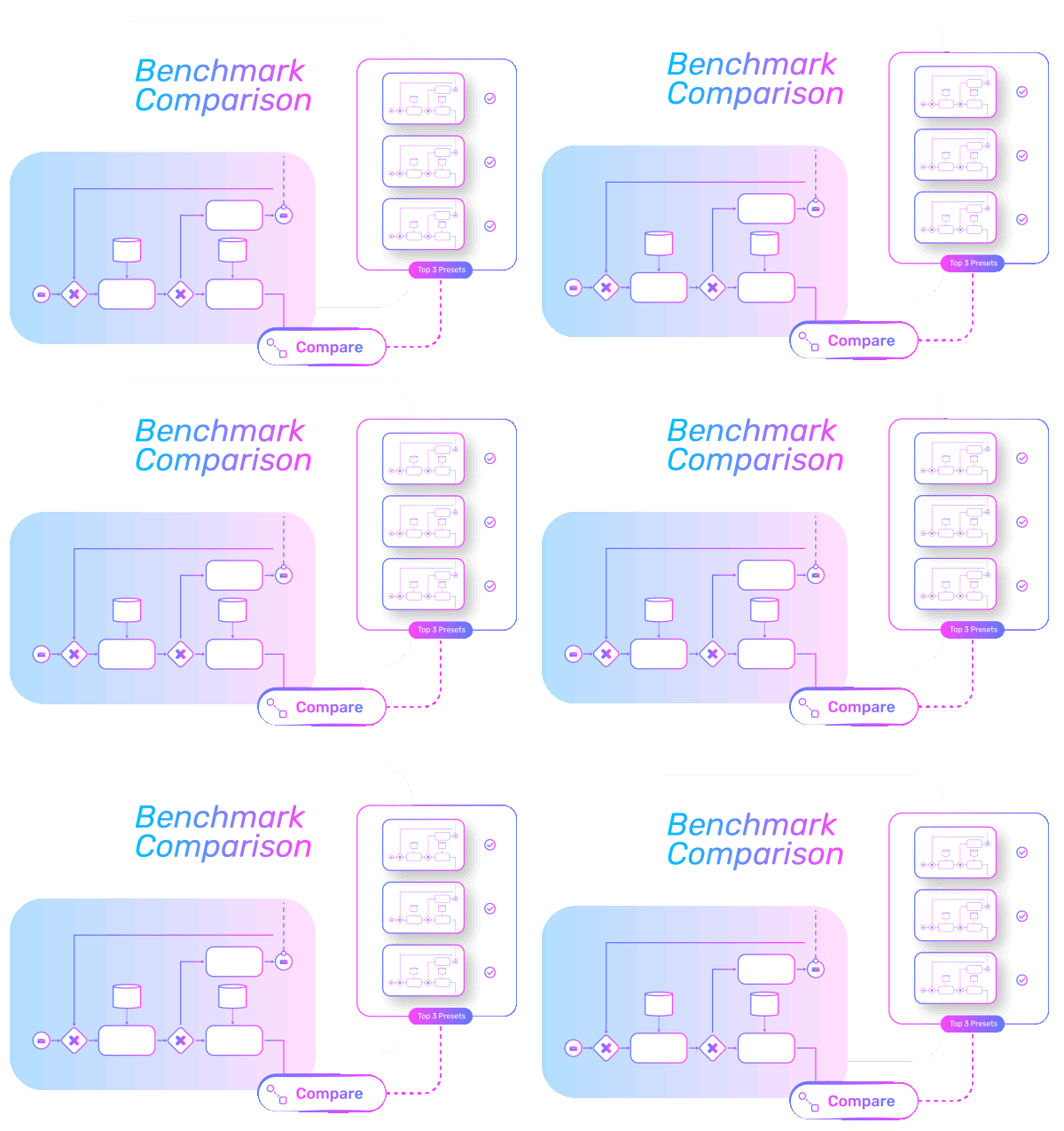
Benchmark Comparison
Benchmarks your processes against internal best practices and industry standards to highlight performance gaps and improvement potential, without relying on external consultants or lengthy benchmarking exercises.
-
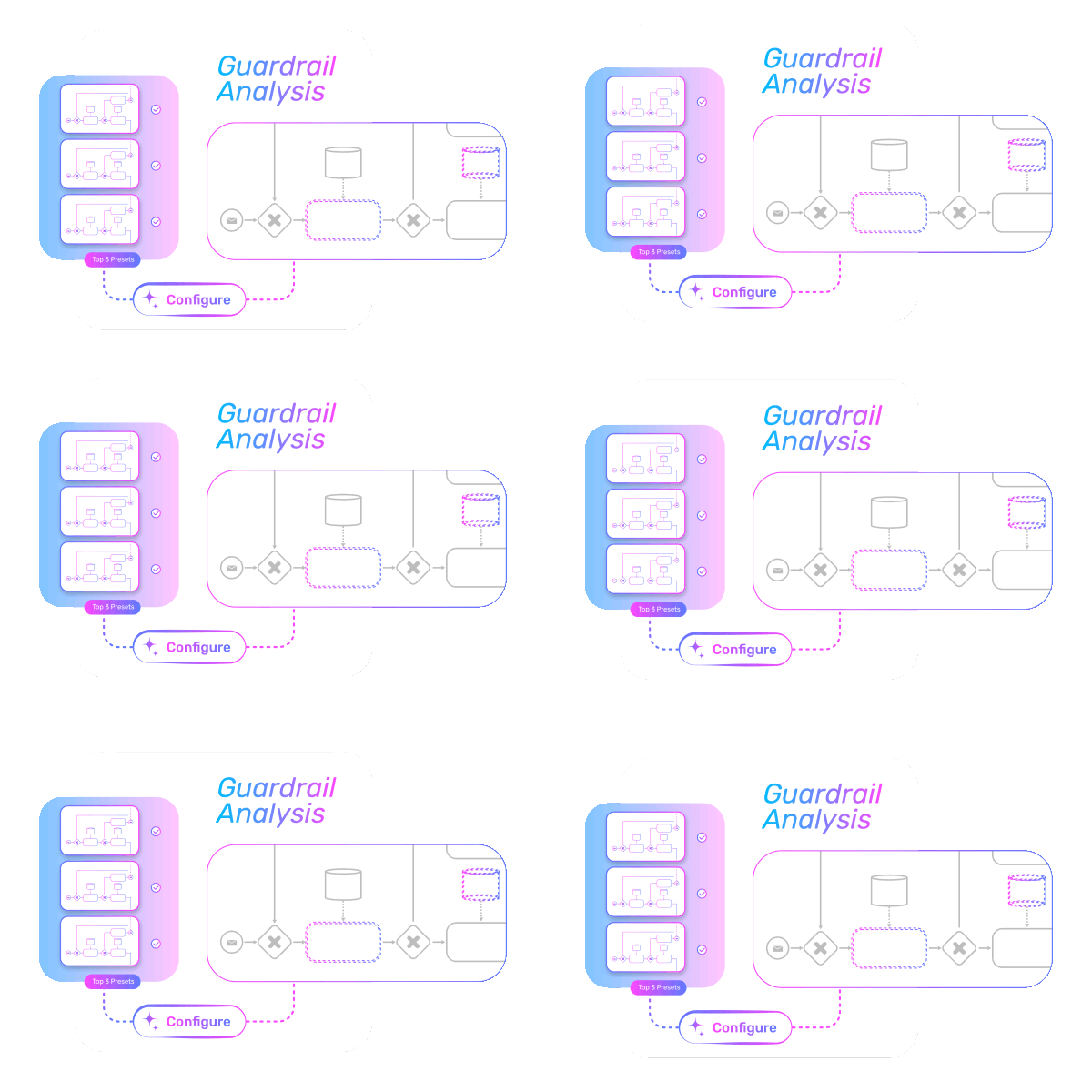
Guardrail Analysis
Evaluates your processes across 37 critical data points, including compliance, accuracy, efficiency, etc.,—ensuring recommendations are reliable, scalable, and transformation-ready.
How Digital Process Analyst Helps You

Reduces analysis time from weeks to minutes.

Simulates recommendations instantly for data-backed decisions.

Automated insights to help focus on high-value improvements.

Highlights where you lag behind best practices.

Automates the heavy lifting, letting analysts focus on validation and implementation.
Before vs After Digital Process Analyst (DPA)
in Minutes
| Traditional Process Analysis |
|---|
|
| Digital Process Analyst (DPA) |
|---|
|
Benefits by Role
 Executives
- Gain real-time visibility into performance gaps.
- Make faster, informed decisions backed by simulations.
- Identify cost-saving and automation opportunities instantly
BPM Teams
- Eliminate manual analysis effort and repetitive reviews.
- Validate and compare "what-if" scenarios in seconds.
- Drive continuous improvement with AI-powered insights.
Frontline Staff
- Understand causes of process inefficiencies.
- Increased efficiency and productivity with improved process.
- No time wasted in multiple approvals and handoffs.
Explore More PRIME BPM AI Agents



FAQs
DPA (Digital Process Analyst) refers to AI-driven capability that automatically analyses process maps to identify inefficiencies, non-value-added activities, waste, improvement opportunities, and future-state recommendations—tasks traditionally performed manually by analysts.
The DPA has been built to empower everyone in the organisation to analyse processes for improvements, encouraging all process mappers to regularly assess whether their processes are lean and efficient.
The DPA automatically analyses process steps, identifies waste within processes, and provides recommendations to enhance and improve them.
DPA is as accurate as manual analysis and often more consistent. It applies standardised rules and benchmarks across all processes, reducing human bias and variability, while analysing far more data in a fraction of the time. Human expertise is still used to validate and prioritise insights, ensuring reliable and scalable outcomes.
No. DPA is designed to augment human expertise by shifting analysts and CI teams from manual documentation to higher-value design and change delivery.
Most organisations realise value immediately from the first process, with benefits increasing exponentially as process volumes grow. At scale (1,000+ processes), ROI is typically measured in hundreds of thousands to millions in annual savings.
DPA dramatically shortens discovery, analysis, and improvement identification cycles, enabling organisations to move from insight to execution much faster. This reduces transformation fatigue while improving adoption and momentum.
Yes. DPA is designed for enterprise-wide process landscapes, shared services, and large-scale transformation, standardisation, and compliance programs, with savings increasing linearly as scale grows.
Organisations relying on manual analysis face rising costs, analyst bottlenecks, slower transformations, and inconsistent outcomes, whereas DPA delivers speed, consistency, and scalable results.